Current mortgage rates near ~7% have widened the gap with many existing loans near ~4%, making moves much costlier for long-time US homeowners.
For owners who held homes for decades, selling can also trigger capital gains tax when profit rises above an exclusion threshold unchanged since 1997.
The proposal would reindex that tax cap to current home prices and apply it only to owners over 65, targeting many longest-tenured sellers.
The economist said lower inflation could help bring mortgage costs down, but argued the tax barrier would still matter for long-held homes.
The proposal remains only an idea, so current law still applies; owners weighing a sale can compare their loan rate and tenure.
Author: Cynthia Starks
-
Tax Fix Could Unlock Homes for Owners Over 65
-
Unlocking Value From Low-Rate Mortgages
Homeowners replacing ~3% mortgages with new loans near 7% may tap a low-rate loan's value when selling, creating funds that can help finance a move.
Through defeasance, borrowers pledge US government securities to a trust or escrow agent, which then makes scheduled principal and interest payments on the mortgage.
In the example, a $500K ~3% mortgage had a $444.5K remaining balance after 5 yr, while matching Treasury collateral then cost $360.6K.
For portfolio lenders, a defeased mortgage still stays at amortized cost, while US government securities backing can also qualify for lower regulatory capital treatment.
A lender recently closed the first transaction in a new residential program, signaling defeasance can be a real option that may ease mortgage lock-in. -
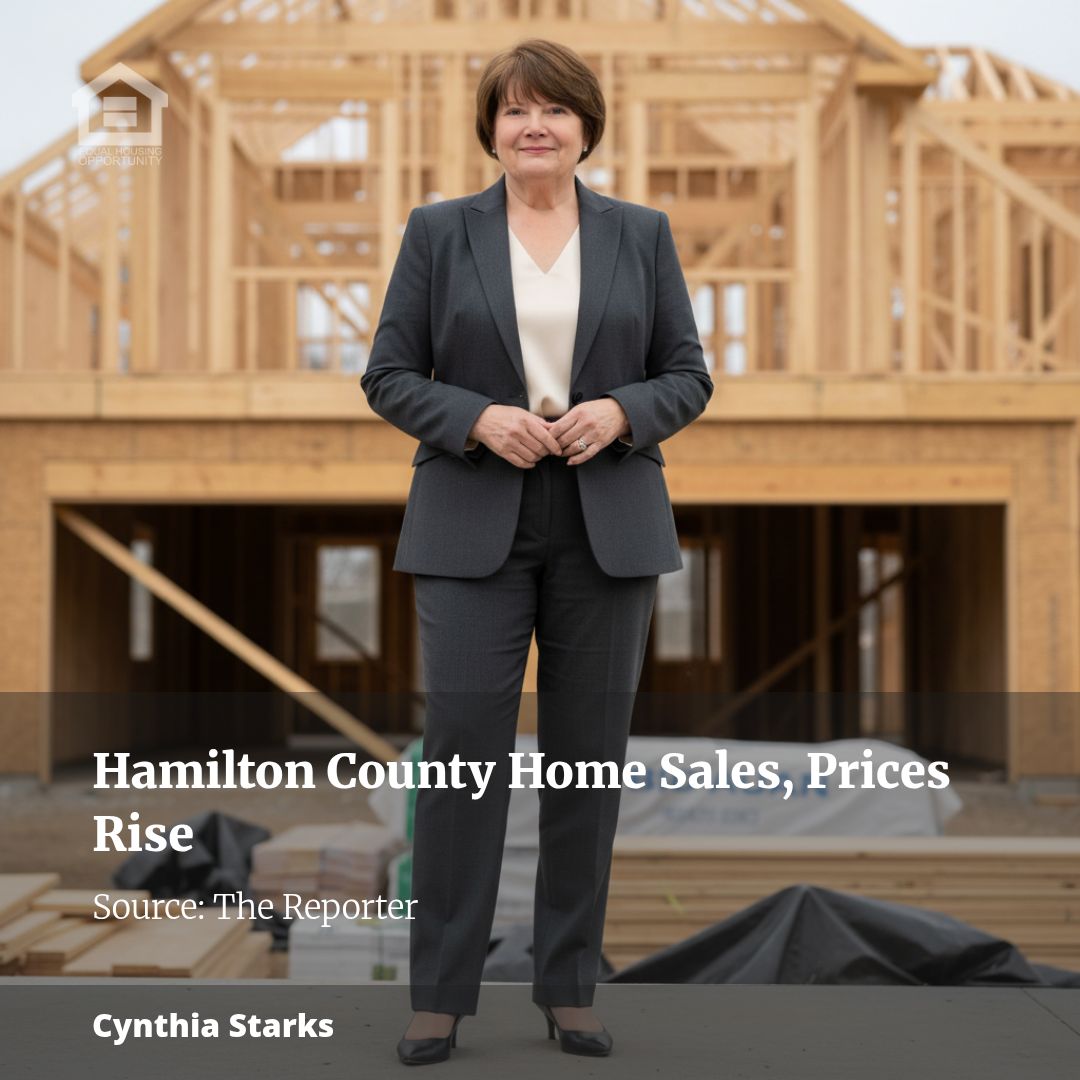
Home sales & prices continue increasing in Hamilton County
Central Indiana's housing market saw a 17.8% rise in inventory with stable prices and moderated pending sales. In Noblesville and Hamilton County, closed sales rose 24.7%, median home prices increased nearly 20% to $454,950, while price per square foot dropped 3.3%. Homes sold faster, averaging 14 days. Hamilton County's median price hit $475,000, up 4.1%, with homes on the market for 10 days. Inventory and pending sales also increased.
Continue to full article -
USA Could See Its First Billion-Dollar Sale
This year, luxury residential Real Estate in the United States leaned into nine-figure asking prices, making $100M+ homes a defining feature of the top tier.
The expansion tracked with rising fortunes among the richest Americans, as a strong stock market and earlier tax cuts helped lift top-end wealth.
For buyers at this level, standout amenities and stronger privacy mattered, with many high-end properties designed as compounds that create more separation.
Still, headline-making asking prices did not guarantee record deals, and some extreme numbers were seen as publicity plays rather than serious expectations.
Looking ahead, one luxury agent said the United States could potentially see its first $1B home sale within the next three years. -
Most US Homeowners Can’t Explain Coverage
A recent US survey found ~4 in 10 homeowners had wrongly assumed policy coverage, and ~1 in 5 said that mistake later cost out-of-pocket money.
Coverage knowledge stayed weak: ~4 in 10 could not explain weather damage protection, and >1 in 2 did not know their deductible.
Weather damage already hit budgets. In the past 3 yr, ~1 in 2 paid out of pocket; some owed $2K+, and some still carried debt.
Most homeowners monitored weather alerts, yet many still felt unprepared. Only ~1 in 5 reviewed coverage in the past year, and few turned to agents.
Experts said homeowners who fared best did small steps ahead of time, including annual coverage reviews, because many skipped upgrades over cost or uncertainty. -
USA Mortgage Costs Rise Sharply
Risk repricing pushed lending costs higher across the US, including 30-yr fixed mortgages, creating a sharper affordability challenge for Gen-Z and younger millennial buyers.
By Early-Q4, the national avg. 30-yr mortgage rate had climbed from ~3% at end-2020 to low-7%, lifting payments sharply on the same loan amount.
For each $100K borrowed, monthly principal-and-interest costs moved from ~$400 to ~$690, showing how rate resets quickly changed affordability for typical households.
Since Mid-Q1, payments on a ~$500K home with 10% down had increased ~$368 monthly, trimming disposable income and making household moves harder.
As rates climbed, owners with older low-rate mortgages had less reason to move, limiting turnover and leaving first-time affordability near multidecade lows. -
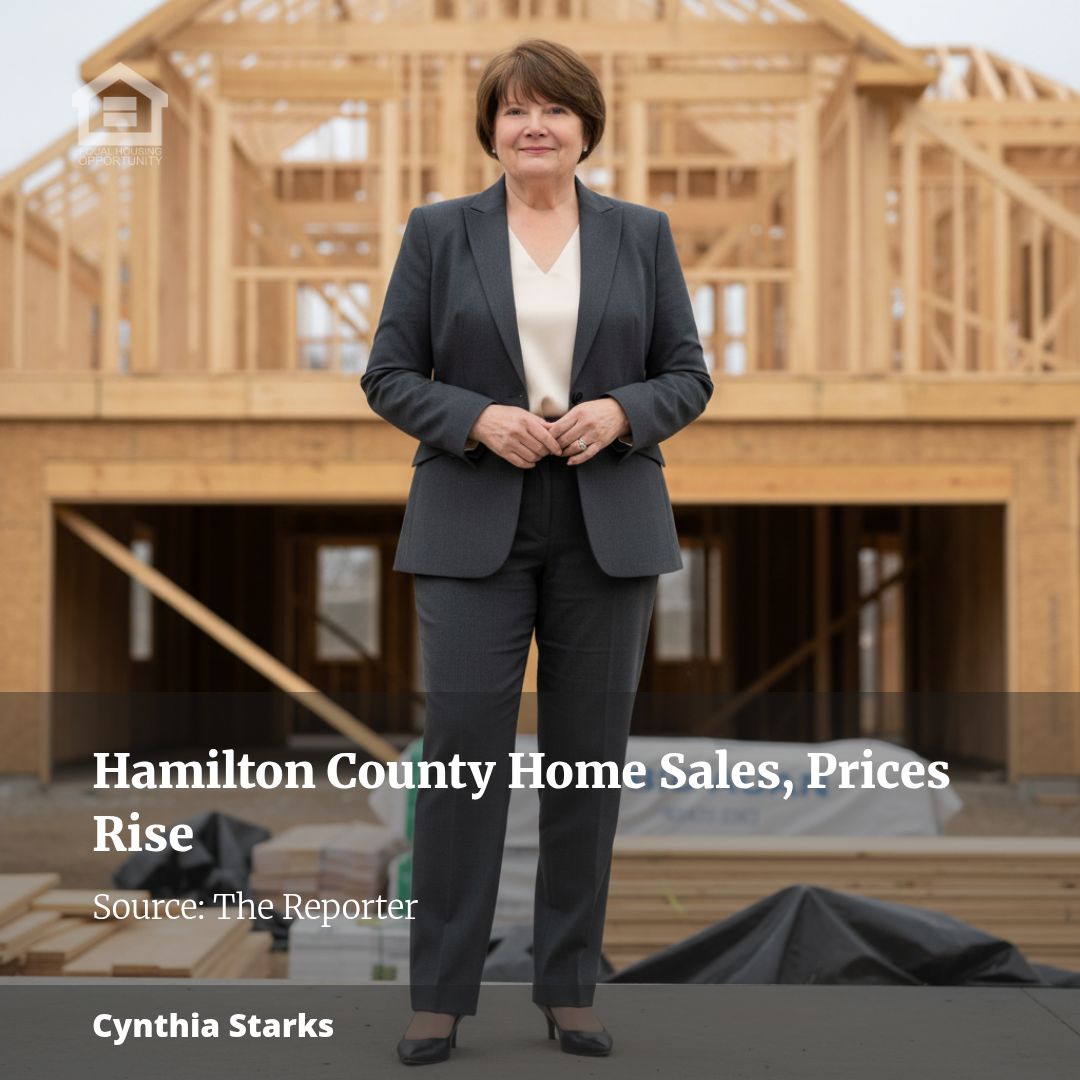
Home sales & prices continue increasing in Hamilton County
Central Indiana's housing market saw a 17.8% rise in inventory with stable prices and moderated pending sales. In Noblesville and Hamilton County, closed sales rose 24.7%, median home prices increased nearly 20% to $454,950, while price per square foot dropped 3.3%. Homes sold faster, averaging 14 days. Hamilton County's median price hit $475,000, up 4.1%, with homes on the market for 10 days. Inventory and pending sales also increased.
Continue to full article -
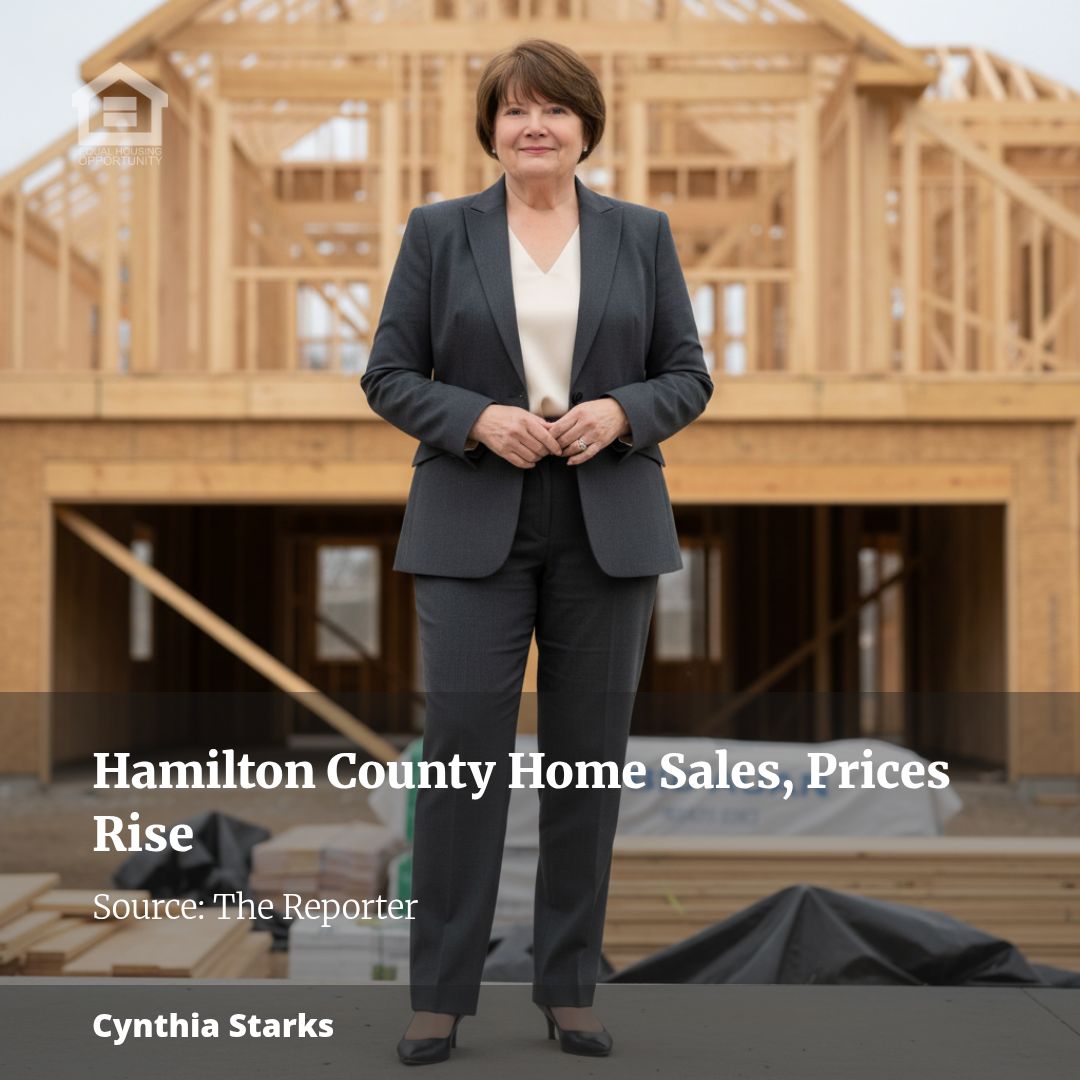
Home sales & prices continue increasing in Hamilton County
Central Indiana's housing market saw a 17.8% rise in inventory with stable prices and moderated pending sales. In Noblesville and Hamilton County, closed sales rose 24.7%, median home prices increased nearly 20% to $454,950, while price per square foot dropped 3.3%. Homes sold faster, averaging 14 days. Hamilton County's median price hit $475,000, up 4.1%, with homes on the market for 10 days. Inventory and pending sales also increased.
Continue to full article -
US home price growth inches up
US single-family home prices rose 1.8% year-over-year in August, with a slight monthly decline of 0.1%. Buyer activity dropped after August's mortgage rate spike, leading to forecasts of price declines through winter and 1.3% full-year 2026 appreciation. Illinois led gains at 6.8%, while Washington, Texas, and Hawaii saw negative growth. Cooling trends spread to 31 metro areas. Higher mortgage rates and affordability challenges will favor markets with lower entry prices and strong job growth.
Continue to full article -
Homebuyers Can Shape Their Mortgage Rate
An analysis of 1.35M US purchase loans from Early-Q1 2023 through Late-Q4 2025 showed wide differences in borrower rates within the same month.
Within a given month, the middle 80% of borrowers landed in a 93-basis-point range, equal to ~$28.4K in home price on $2K budgets.
Credit mattered most. Raising a score from the high 600s to 720 improved likely pricing, and the key thresholds to watch were 700 and 720.
Comparison shopping offered the clearest immediate opportunity: within retail lending, a very competitive lender beat a typical one by 19 basis points, worth ~$5.8K.
Reaching 20% down barely changed the rate, improving it by just 0.7 basis points; the bigger savings came from avoiding mortgage insurance.